Posts

my notes on Adafruit's "Firewalker Shoes" tutorial...

Image
This post is intended to provide clarity to the same problems I ran into while attempting to building the "firewalker" shoes found on the Adafruit tutorial page . I am in no way affiliated with Adafruit and this page is intended for educational purposes only so I am not responsible for anything you do.  On that note, my hat is off to the original designer(s) of this project.  it's pretty darn cool... first, the FW tutorial does tell you to first read the getting started with flora guide.  Make sure you do this.  this will ensure your computer has the drivers as needed.  But the Adafruit tutorial  covers the transfer of files and definitions in a way that (to me) seemed more complicated than needed, so the way I present below is just an alternative method.  both work just fine. Once you have verified your drivers are ok, you should also have your Arduino IDE platform installed already.  So, let's proceed. In the getting started guide, i...

Myths about Solar Energy Systems at Home

Image
So the coming elections are causing a lot of misinformation to fly around like most any election.  So here is my contribution towards a fair representation of the truth. My friend had a solar installation on his rooftop and after asking him a ton of questions, I eventually found myself signing up as well.  since then I've seen what it can do and why the energy companies hate it so much. MYTH #1 - SOLAR CUSTOMERS AREN'T PAYING FOR THEIR SHARE OF THE GRID COMPARED TO NORMAL ENERGY CUSTOMERS. This is the biggest myth that annoys me the most, so I'm addressing it first. Anyone connected to the power grid pays a monthly service fee.  The service fee acts like insurance for everyone when something goes wrong and your power company has to fix it, this service fee basically pays for it.  Some people think they can do their own off-grid solar installation to avoid this service fee and "stick it to the man."  But if they did that, any problems with power equipment...

Pet-Proofing the couch

Image
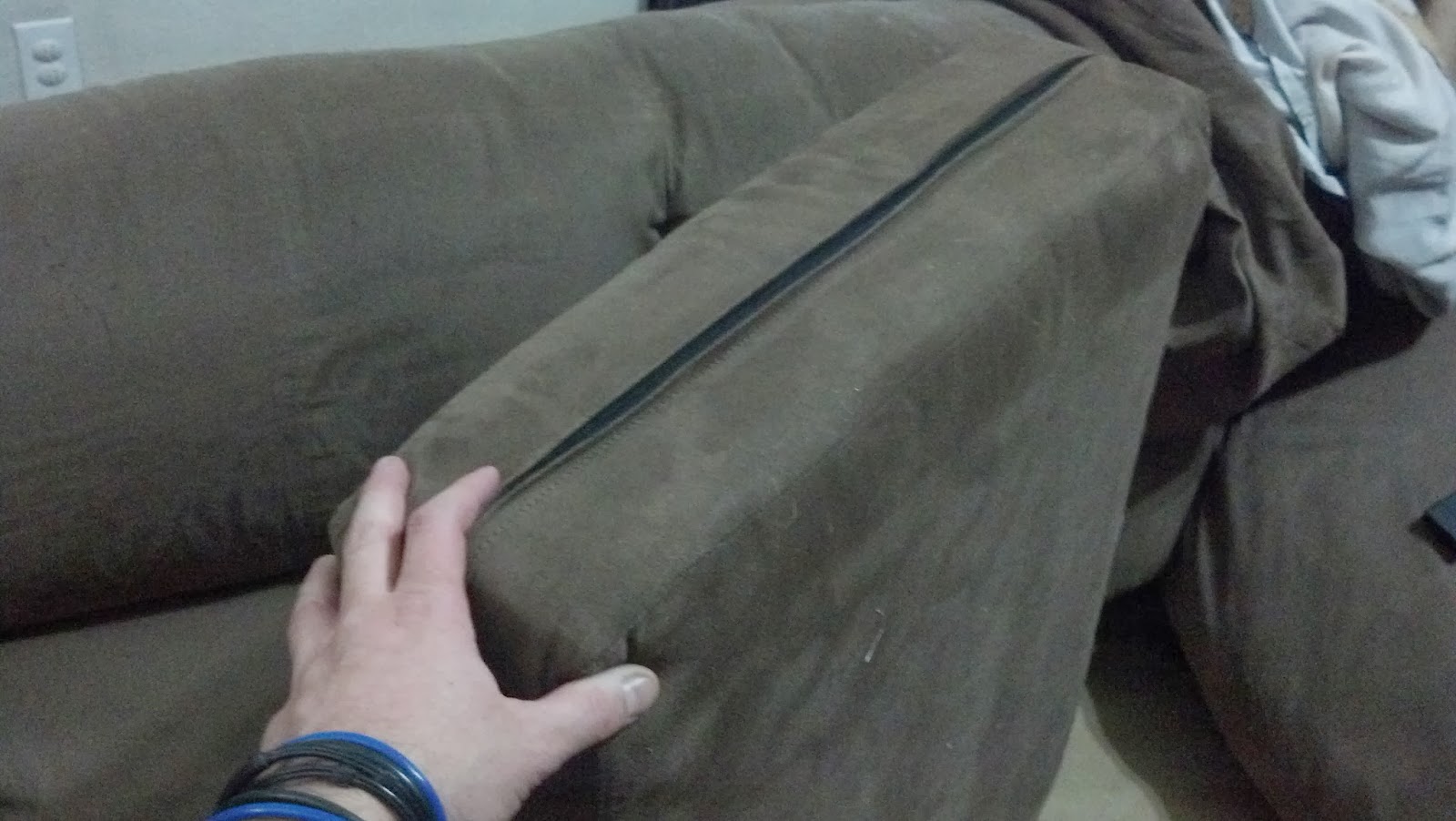
Like some I have a specific need to pet-proof my couch.  I am a foster parent for cats in need of adoption.  These cats tend to get conflicted on where they should do their business. Sometimes they are trying to send a message like all cats, and sometimes they just aren't getting it.  It's also well known that sick cats tend to go in abnormal places, pretty much anywhere but the litter box. Going in abnormal places is not too much of a big deal, but it really depends on where that place is.  Certain places like the bed and couch can be devastating when you later realize how difficult it will be to clean this mess. For beds, most people know you can get the plastic sheets at wal-mart or target.  But for couches, its a little different.  You can enclose them in the plastic couch "protectors", but most people (like me) think those are overkill, ugly, and uncomfortable. so after my last "incident" with my latest foster cat, i realized this is just going...

Home Temperature Monitor & Notification System (Do it yourself)

Image
(fyi this post looks funky in Chrome, but it's fine using Firefox) I built this system so I could have a fairly reliable temperature monitoring system at home so I would know if my a/c went out in the summer.  Being in Phoenix where it can get to 120F and I have cats at home, I felt it was important to develop a reliable monitoring and alerting system. This tutorial will guide you thru the setup and configuration of a home temperature monitoring system using a Raspberry Pi microcontroller.  You can also do this with Arduino, but without an operating system like linux, it's far more difficult to accomplish everything we will cover here.  If you've never used a microcontroller like a Pi or Arduino, it's recommended you get a breadboard and learn how they work before attempting to construct this project.  You will need a small familiarity with linux, or at least the open mind to learn a few new things. This is a fairly long tutorial so I will skip some minor items...